Understand Your Foundation's Condition
Foundation Inspections in Tampa, FL
Get a clearer picture of your foundation concerns.
Make Informed Decisions About Your Foundation
A foundation inspection helps homeowners understand visible damage and determine whether further investigation or repair may be appropriate. It is a useful starting point when cracks appear, floors become uneven, or other changes develop around the home.
Tampa Bay Foundation Repair evaluates accessible foundation areas and related symptoms to help identify practical next steps. A contractor's foundation evaluation is not a substitute for a structural engineering report when formal engineering conclusions are required.
When to Arrange a Foundation Inspection
An inspection may be helpful after discovering new cracks, noticing changes in door operation, or identifying uneven floors. It can also provide useful information when existing damage begins to change.
Homeowners planning renovations may benefit from understanding existing foundation conditions before altering the structure. Buyers and sellers with foundation concerns may require additional independent assessments depending on the circumstances.
What a Foundation Evaluation Considers
Visible cracks, foundation alignment, accessible structural supports, and related interior symptoms can provide information about the building's condition.
Drainage patterns, landscaping, and signs of moisture exposure may also be relevant. These observations help establish whether surrounding conditions could be contributing to the damage.
The Limits of Visual Inspections
Many foundation components are concealed beneath floors, behind finishes, or underground. A visual inspection cannot establish every condition affecting these inaccessible areas.
Determining soil bearing capacity, confirming sinkhole activity, or certifying structural adequacy may require specialized investigation. When these questions arise, further evaluation should be obtained from the appropriate professionals.
Preparing for Your Foundation Inspection
Before an inspection, consider documenting when the damage first appeared and whether it has changed. Previous photographs, repair records, and information about plumbing leaks or drainage problems can be useful.
Where practical, provide safe access to affected rooms and accessible foundation areas. Do not enter an unsafe crawl space or excavate around a foundation to prepare for an inspection.
Tampa Bay Foundation Repair Area Guides
Areas Covered During a Foundation Evaluation
The inspection scope depends on the property and the concerns being investigated. Accessible observations help establish which conditions deserve additional attention.
Exterior foundation observations
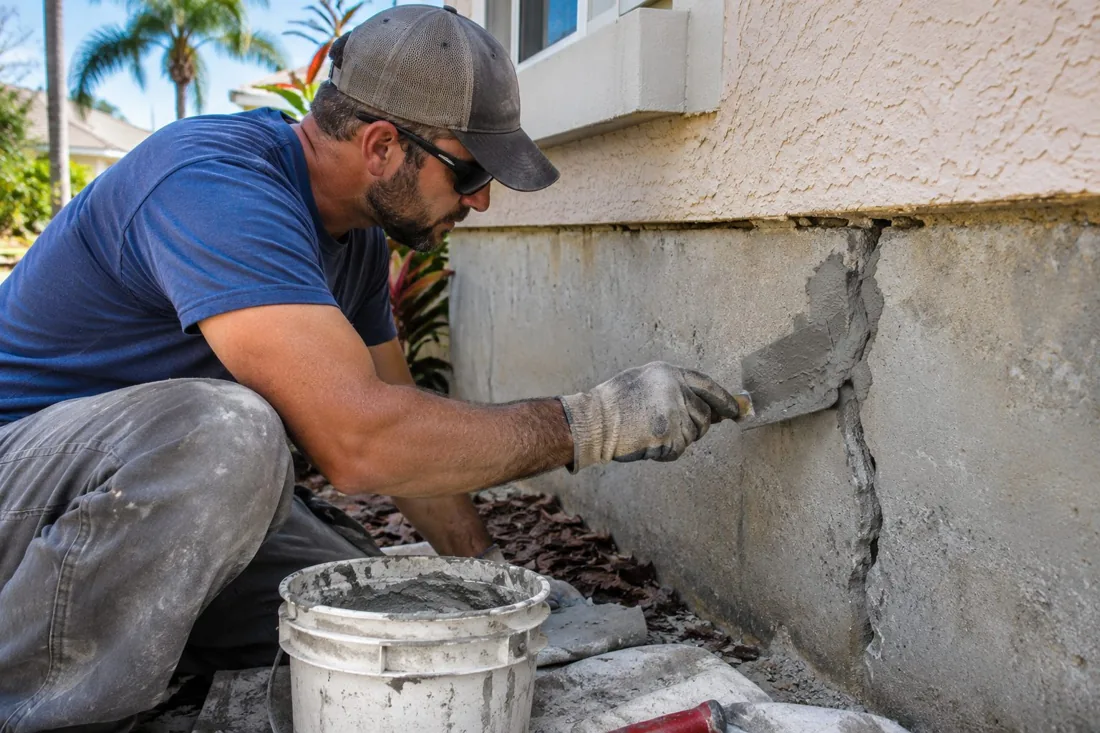
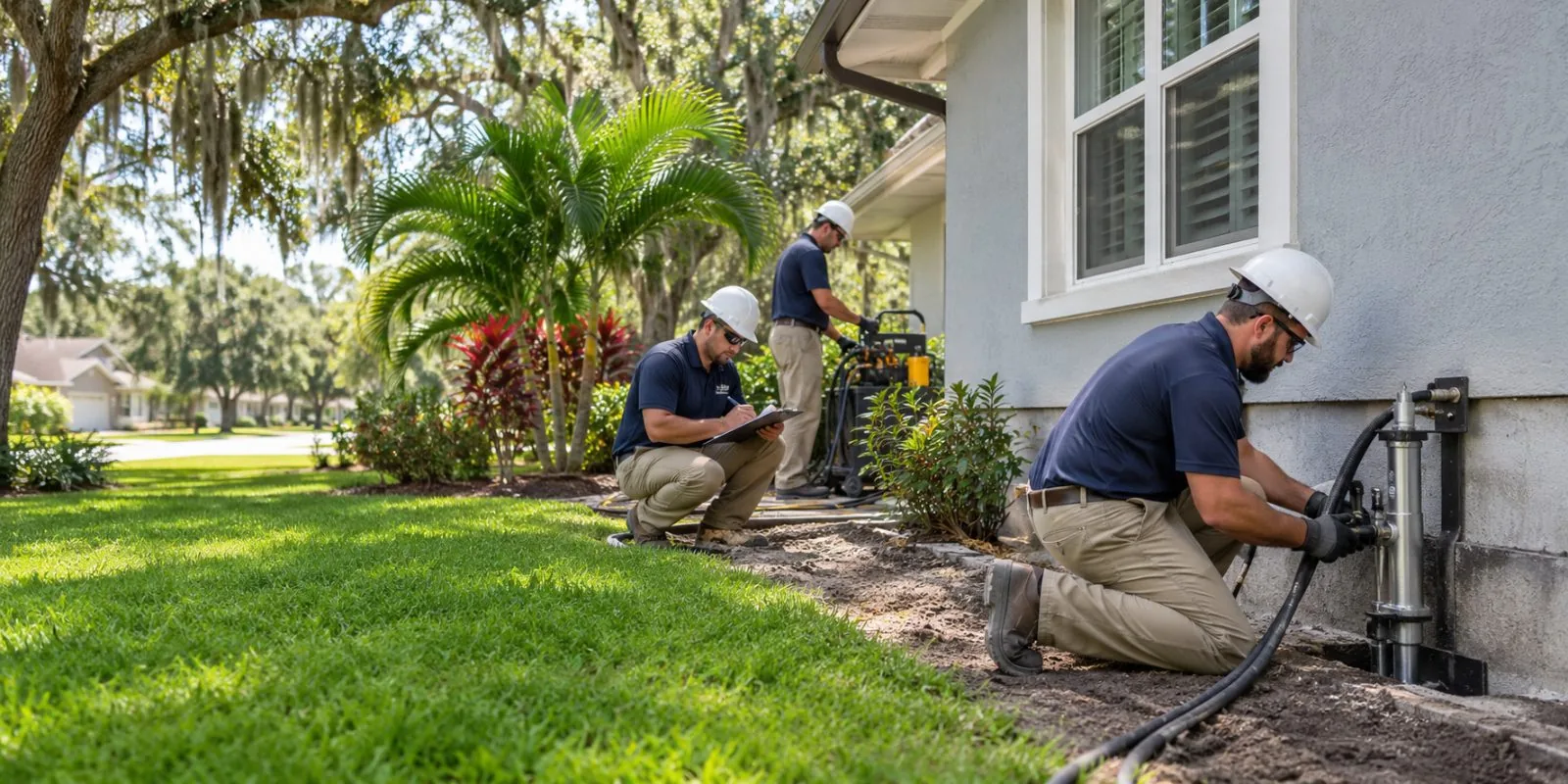
Exterior observations may include visible foundation edges, masonry walls, cracks, and areas where different building sections meet. Changes in alignment or displacement can provide clues about structural movement. Surrounding grading and drainage conditions may also be considered. These observations help identify possible contributing factors without assuming that every visible defect has the same cause.
Interior settlement symptoms
Interior observations may include floor irregularities, wall cracks, sticking doors, and gaps between building materials. The location and relationship of these symptoms can help identify areas of concern. Some interior damage results from ordinary material movement rather than foundation settlement. Evaluating several symptoms together provides more context than relying on a single crack.
Accessible crawl space supports
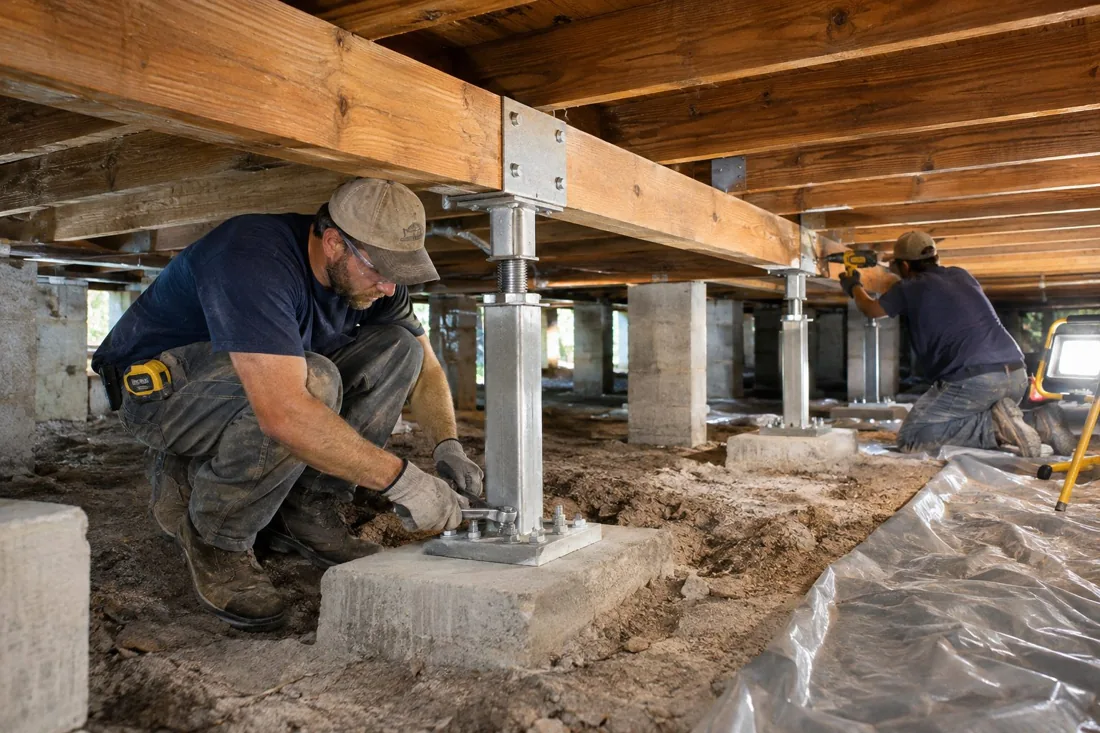
For homes with safely accessible crawl spaces, observations may include piers, beams, posts, and visible floor framing. Moisture exposure and deterioration can influence the condition of these components. Inspection access may be limited by clearance, standing water, damaged structures, or other hazards. Concealed and inaccessible areas may require separate investigation.
Repair recommendations and next steps
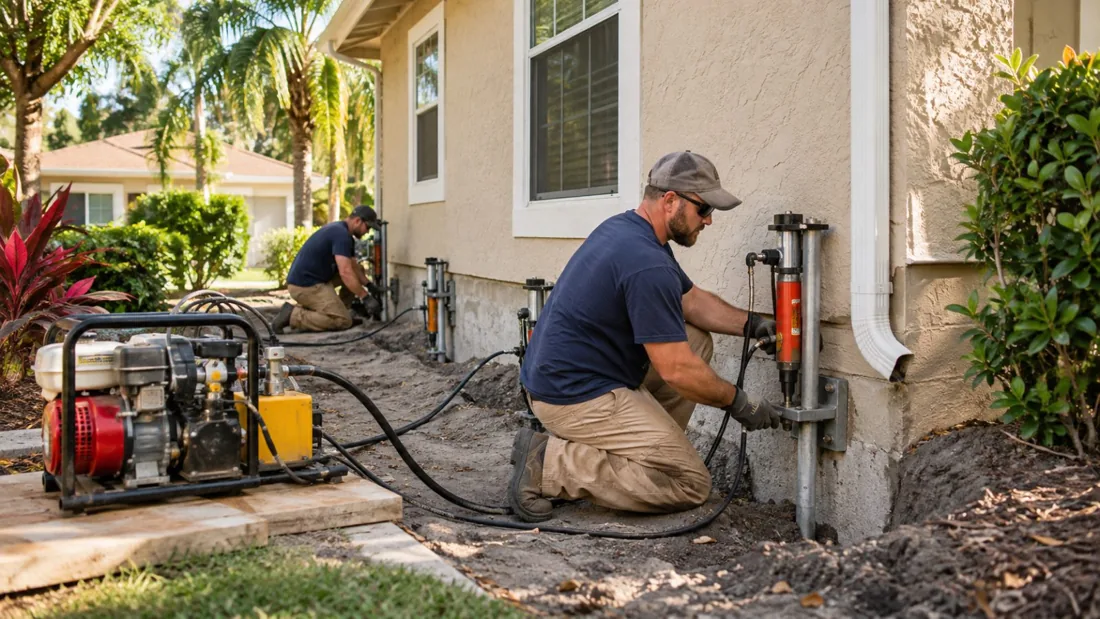
Following the evaluation, the observed conditions can be discussed alongside possible repair approaches. Some properties may benefit from monitoring, while others require more immediate structural attention. Where the cause or severity cannot be established through the available observations, further engineering or geotechnical evaluation may be recommended before repairs are selected.
What to Look for in a Repair Proposal?
Clear inspection objectives
A useful evaluation explains the observations that prompted concern and identifies any next steps.
Practical explanations
Observed conditions are discussed in language that helps homeowners understand their significance.
Recognition of inspection limitations
A qualified evaluator can distinguish visible observations from conclusions that require engineering, testing, or other specialist investigation.
Common questions about foundation inspections
What should a written inspection report include?
Ask for the locations observed, observations and measurements, limitations, and recommended next steps. Clarify whether the report is an evaluation, a repair proposal, or a design you can submit for permitting.
When are follow-up measurements useful?
When the cause is unclear or movement appears gradual, dated measurements at the same locations can help distinguish a change from normal differences in how readings are taken. Ask the evaluator how to document them.
Read about repair cost factors or ask about foundation repair.
Discuss your foundation concerns
Ask a question about your foundation or learn what to prepare for an evaluation.
Contact Gerard DigitalWhat to Expect From a Foundation Inspection
Share your concerns
Explain the damage you have noticed and provide any relevant history about the property.
Review accessible areas
Examine visible foundation components, related interior symptoms, and relevant surrounding conditions.
Discuss the observations
Explain the conditions identified during the evaluation and what they may indicate.
Identify next steps
Discuss repair options, monitoring, or additional specialist evaluation as appropriate.