Tampa Bay Homeowner Guide
Trusted Foundation Repair Resources in Tampa Bay
Understand signs of foundation movement and learn how to seek an independent evaluation.
Practical Foundation Repair for Tampa Homeowners
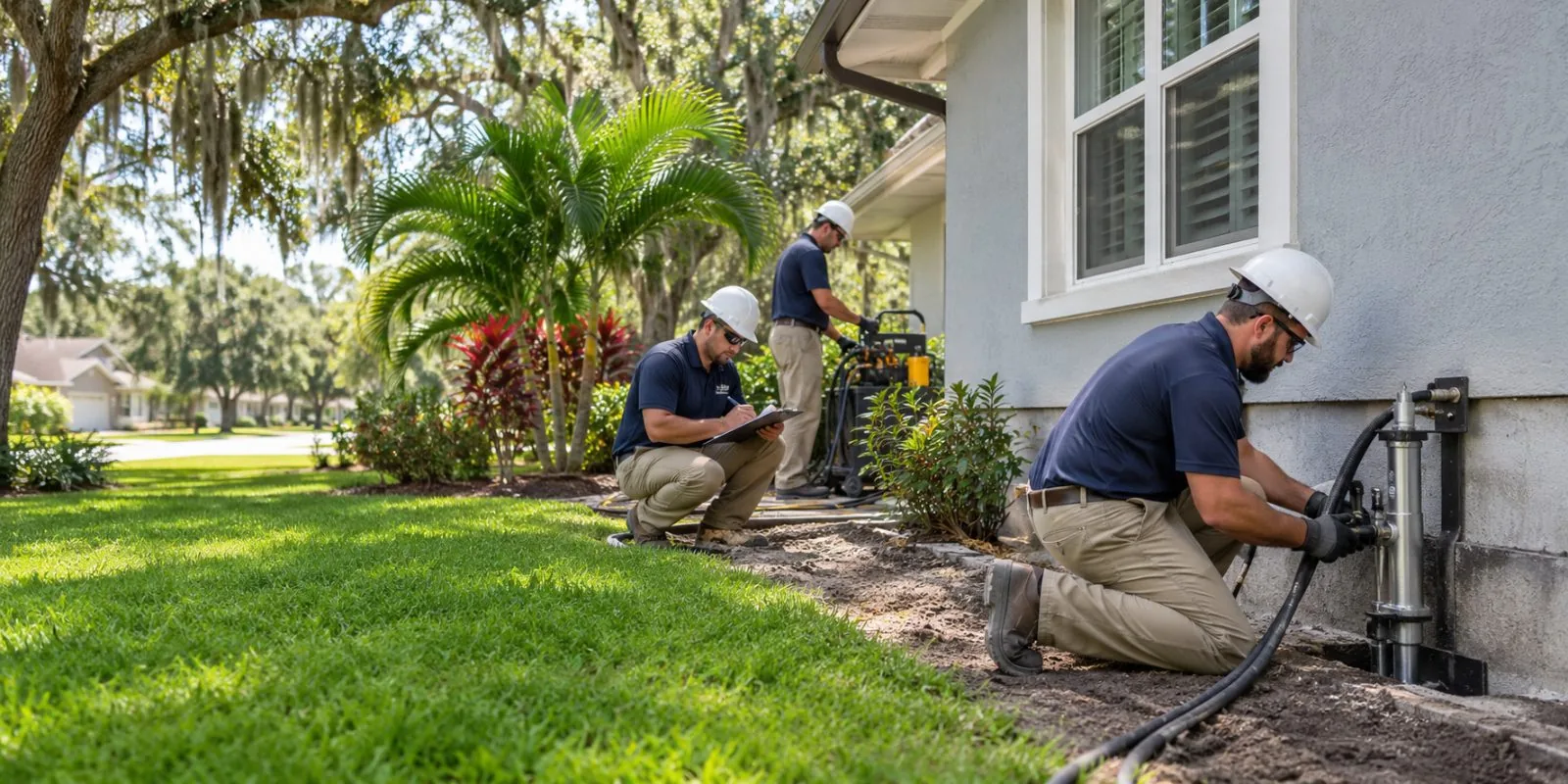
Foundation problems can affect nearly every part of your home. A small crack in an exterior wall, a door that suddenly sticks, or a floor that feels uneven may be the first indication that something beneath your house has changed. Tampa Bay Foundation Repair helps homeowners understand these warning signs and determine what can be done to address them.
This website explains foundation repair options for Tampa Bay homeowners. An evaluation starts with understanding the condition of your foundation, the soil beneath it, and the factors that may be contributing to movement. Ask how the proposed repair addresses the conditions found at your property.
Why Foundation Problems Develop in Tampa
Tampa's climate and geology create conditions that can contribute to foundation movement. Sandy soils, seasonal rainfall, shallow groundwater in some areas, and changes in soil moisture can affect how the ground supports a building. These conditions vary considerably from one property to another.
During Florida's rainy season, water can collect around foundations, saturate supporting soils, and contribute to erosion where drainage is inadequate. During drier periods, certain soils may lose moisture or change volume. Poorly compacted fill can also settle gradually beneath a home.
Older properties may have additional concerns related to aging construction materials, previous repairs, or changes made to the original structure. Newer homes are not immune to foundation issues either, particularly when construction takes place on recently graded land.
Understanding these conditions is an important part of determining whether a foundation needs repair.
Common Signs of Foundation Damage
Foundation movement does not always announce itself with a dramatic structural failure. In many homes, the earliest symptoms appear gradually. Knowing what to look for can help you identify a potential problem before it becomes more disruptive.
- Stair-step cracks in concrete block or brick walls
- Cracks extending from windows and door openings
- Interior doors that no longer close properly
- Uneven, sloping, or noticeably sunken floors
- Gaps between walls, ceilings, or baseboards
- Cracks across concrete slabs
- Separation between exterior walls and adjoining structures
- Recurring cracks that return after cosmetic repairs
Not every crack indicates serious structural damage. Concrete naturally experiences some shrinkage as it cures, and minor movement can occur without compromising the building. The location, direction, width, and progression of a crack all help determine its significance.
If you have noticed several warning signs together, or if an existing crack appears to be growing, arranging an inspection is a sensible next step.
Request Foundation Repair Information
Foundation Repair Solutions for Different Types of Homes
Tampa has a wide variety of residential construction. Historic homes in established neighborhoods may have raised foundations and crawl spaces, while many newer properties rely on concrete slab foundations. Each foundation type presents different challenges.
Slab foundations may experience localized settlement, cracking, or loss of support beneath the concrete. Raised foundations can develop problems involving piers, beams, floor joists, and moisture exposure. Concrete block foundations may show cracking when different portions of the building move at different rates.
The repair method should reflect how the home was built and what is causing the damage. Repairing a visible crack without addressing ongoing settlement may leave the underlying problem unresolved.
Foundation Crack Repair
Crack repair addresses openings in concrete, masonry, and other foundation materials. Depending on the condition, repairs may involve sealing against moisture intrusion, restoring continuity within damaged material, or addressing movement before the crack is repaired.
Slab Foundation Repair
Concrete slab foundations need consistent support from the soil beneath them. When portions of that soil settle or erode, the slab can crack or become uneven. Slab repair focuses on identifying affected areas and determining how support can be restored.
Foundation Underpinning
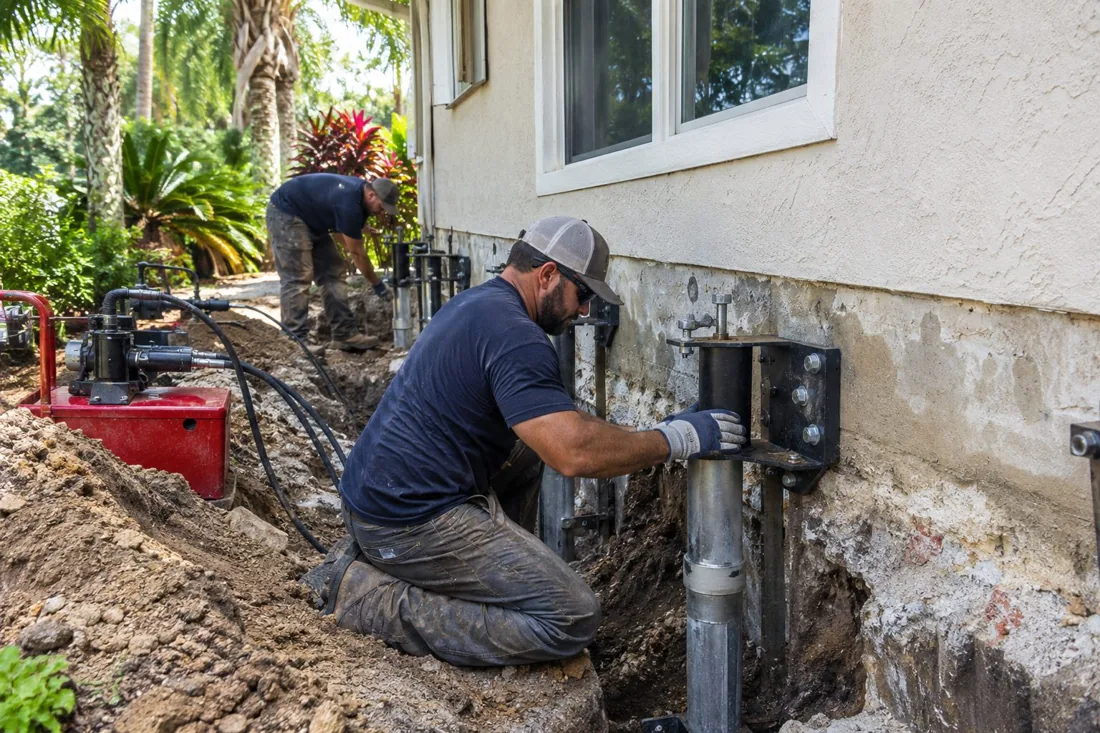
Underpinning provides additional support beneath an existing foundation. It may be appropriate when shallow soils cannot adequately support the structure or when settlement continues despite other corrective measures.
Crawl Space Foundation Repair
Homes with raised foundations can experience sagging floors, deteriorated supports, and movement within their foundation systems. Crawl space repairs address structural support while considering moisture and ventilation conditions beneath the home.
Foundation Inspections
An inspection helps establish what is happening before repair decisions are made. Examining visible damage, accessible structural components, drainage conditions, and other relevant details provides a clearer starting point.
What Happens During a Foundation Repair Project?
The process begins with a conversation about your concerns. An evaluator will want to know when you first noticed the damage, whether it has changed, and whether anything else has happened around the property that might be relevant.
The next step is evaluating accessible areas of the foundation and documenting visible symptoms. Some properties may require additional evaluation by a structural engineer or another qualified specialist before a repair plan can be established.
Once the condition is understood, the available repair options can be discussed. The objective is to explain what the proposed work is intended to accomplish, which areas of the property may be affected, and what limitations should be considered.
Foundation repair is not always about returning a building to its original position. In some situations, stabilization is the more appropriate goal. Attempting to lift a structure excessively can create additional damage, which is why the repair plan needs to account for the condition of the entire building.
After the work, homeowners should understand what was addressed and whether any ongoing maintenance or monitoring is recommended.
The Importance of Drainage Around Your Foundation
Water management plays an important role in protecting foundations throughout Tampa Bay. Roof runoff, irrigation systems, poorly graded landscaping, and blocked drainage routes can all concentrate water near a building.
Downspouts should direct water away from the foundation where practical. Landscaping should not create low spots that trap runoff against exterior walls. Plumbing leaks beneath or near a foundation should also be investigated promptly.
Improving drainage does not automatically reverse existing structural damage, but it can help reduce conditions that contribute to future movement. Foundation repairs and responsible property maintenance often work together.
Take Foundation Concerns Seriously Without Assuming the Worst
Discovering a crack in your home can be unsettling. However, visible damage alone does not establish the severity of a foundation problem. Some cracks require straightforward repairs, while others indicate conditions that deserve a more detailed investigation.
Florida homeowners sometimes associate every foundation crack with sinkhole activity. Although sinkholes are a recognized geological concern in parts of Florida, many foundation problems have other explanations. Settlement, erosion, construction deficiencies, and moisture-related changes can produce similar symptoms.
A careful evaluation helps distinguish between these possibilities and identify when specialist involvement is appropriate. You do not need to diagnose the problem yourself before contacting us.
What to document before an inspection
Start with a simple record of changes. Note when each crack or gap first appeared, whether it has become wider, and whether it appeared before or after heavy rain, plumbing work, or a renovation. Take wide photos to show the location and close photos with a ruler for scale. Label the room, wall, and date. A running record gives a professional more to work with than an isolated photo.
Make a rough sketch that connects symptoms in different parts of the house. For example, a sticking bedroom door on its own may need a hinge adjustment. If it sits beside a widening masonry crack and a floor that slopes in the same direction, the pattern is worth investigating. Take pictures only from stable, accessible areas. Stay out of crawl spaces with standing water, exposed wiring, or damaged supports.
Why water management belongs in the conversation
Check where rainwater goes after it leaves the roof. A downspout that empties at a corner can repeatedly wet a small area while the rest of the yard stays relatively dry. Look for soil washed away beneath a downspout, settlement beside a patio, or water trapped against the wall by a planting bed. If water appears during dry weather, mention irrigation and ask whether a supply or drain line could be leaking.
In Tampa Bay, short intense storms and prolonged wet periods can reveal different drainage problems. A yard may shed a short storm but stay saturated after several days of rain. Some coastal or low-lying properties also face high groundwater. The right drainage response depends on where water can legally and safely discharge, the available slope, and the elevation of adjoining properties. Avoid digging beside a footing to investigate on your own.
Water management and structural repair solve different parts of the problem. Better runoff control may reduce recurrent moisture, while a damaged support may still need repair. Ask a professional to identify which work is intended to manage water and which is intended to stabilize the structure. The project may need both, and the sequence can affect how well each works.
What different foundation materials can tell you
A crack in paint, stucco, mortar, or a concrete block does not always mean the same thing. Ask the inspector what material has moved and whether there is a visible offset across the crack. In a slab home, the location of interior partitions and flooring transitions can help place observations in context. In a raised home, floor slope may come from deteriorated framing, movement at a pier, or changes elsewhere along the load path.
In an addition or enclosed porch, compare the old and new construction. Each may have a separate footing or slab, and the seam between them may reflect different movement. Tell the inspector if walls were removed, a room was added, or heavy equipment was installed. Those details help determine which components support the house and which symptoms may come from a separate assembly.
Questions to ask when comparing repair proposals
Start by asking each contractor to describe the problem in the same terms. Which supports are affected? What evidence connects the symptoms to those supports? What assumptions would change if excavation reveals a shallow footing, damaged concrete, or an unexpected utility? Ask for a sketch that shows the proposed repair locations. This makes it easier to compare scopes that otherwise look similar in a price table.
Ask whether the goal is to stop additional movement, correct part of a slope, or restore a damaged component. Stabilization may leave some cracks or unevenness visible. Lifting can affect doors, tile, cast-iron drains, or a rigid connection to an addition. A useful proposal explains what can reasonably improve and which finishes or utilities will require separate work. Ask who will make decisions if the expected amount of movement cannot be achieved safely.
Give each contractor the same photos, records, and engineering report if one exists. Ask who will handle permits, call for utility locations, arrange required inspections, and restore areas opened for access. Check the contractor’s license for the proposed work and request proof of insurance. Compare exclusions and change-order terms alongside the total. See the foundation repair cost guide for a checklist of items that may affect the estimate.
When an independent assessment can help
If proposals disagree about the cause or scope, an independent structural engineer can evaluate the building and explain what evidence supports each interpretation. Ask what the evaluation includes and whether you will receive a written report, drawings, or monitoring recommendations. A contractor can often discuss access and installation methods, while an engineer can evaluate the load path and specify a design where required. A geotechnical specialist may be needed when the question turns on soils, groundwater, or possible subsurface voids.
Bring any previous inspection reports, permit records, or drawings. Tell the evaluator about leaks, tree removal, fill brought onto the site, and changes to adjacent drainage. If a feature is concealed, ask whether the report will call for selective investigation or recommend a period of monitoring. A clear statement of uncertainty can help you decide whether to pay for further testing before committing to repair.
Deciding what to do next
For changes that have developed gradually, start by gathering your observations and reading the foundation inspection guide. If a wall shifts suddenly, the ground opens, or part of the building seems unsafe, keep people away and contact emergency services when there is an immediate threat. For routine questions, email Gerard Digital with your city, foundation type if known, and the symptoms you observed. Read the Tampa Bay area guides for local context and confirm availability with the contractor before arranging a visit.
A Straightforward Approach to Foundation Repair
At Tampa Bay Foundation Repair, we believe homeowners should understand what is happening beneath their homes before making important repair decisions. Foundation work can feel complicated, especially when unfamiliar technical terms are involved. Our goal is to make the process easier to understand.
An evaluation should document the type of foundation, the affected areas, and evidence of changing conditions. Ask what the evaluator can observe and whether anything is concealed.
This site explains foundation repair options and what to ask before scheduling an evaluation. The professional you hire can confirm the work and terms for your property.
More about us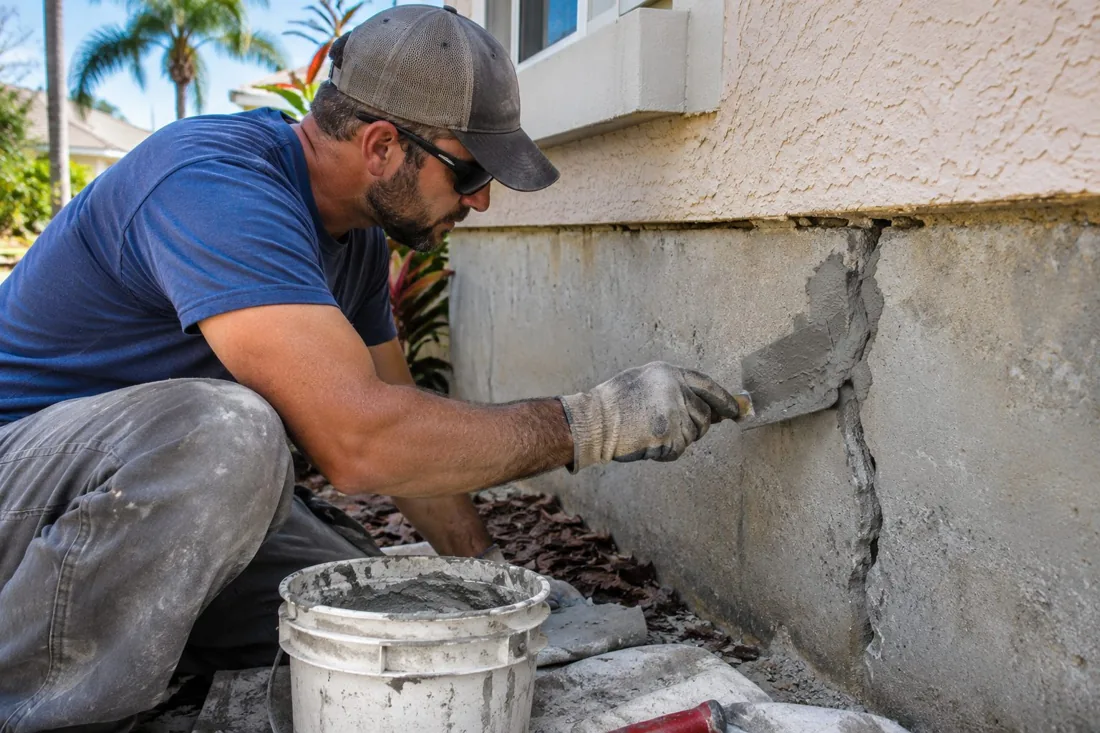
Services
Explore the foundation repair guides for Tampa Bay homes, from investigating early warning signs to addressing structural settlement and damaged foundation components.
Foundation Crack Repair
Address foundation cracks with repairs suited to their cause, location, and structural significance.
Read the foundation crack repair guideSlab Foundation Repair
Restore support beneath damaged or settling concrete slab foundations with solutions suited to your home.
Read the slab foundation repair guideFoundation Underpinning
Improve structural support beneath settling foundations through carefully planned underpinning solutions.
Read the foundation underpinning guideCrawl Space Foundation Repair
Address damaged crawl space supports, sagging floors, and structural concerns beneath raised homes.
Read the crawl space foundation repair guideFoundation Repair
Address structural movement and damaged foundation components with a repair plan tailored to your property.
Read the foundation repair guideFoundation Inspections
Understand visible foundation damage and determine whether your home needs further evaluation or repair.
Read the foundation inspections guideTampa Bay Area Guides
Serving Tampa and Surrounding Communities
Tampa Bay Foundation Repair serves homeowners throughout Tampa, Brandon, Riverview, Valrico, Seffner, Temple Terrace, Plant City, Lutz, Land O' Lakes, Wesley Chapel, Carrollwood, and Town 'n' Country.
Foundation conditions vary across these communities. Coastal properties, established suburban neighborhoods, rural homes, and newer residential developments each present different considerations. A qualified evaluator can take those differences into account when discussing foundation concerns.
Contact us to discuss your foundation concerns.
Request Foundation Repair Information
See all service areas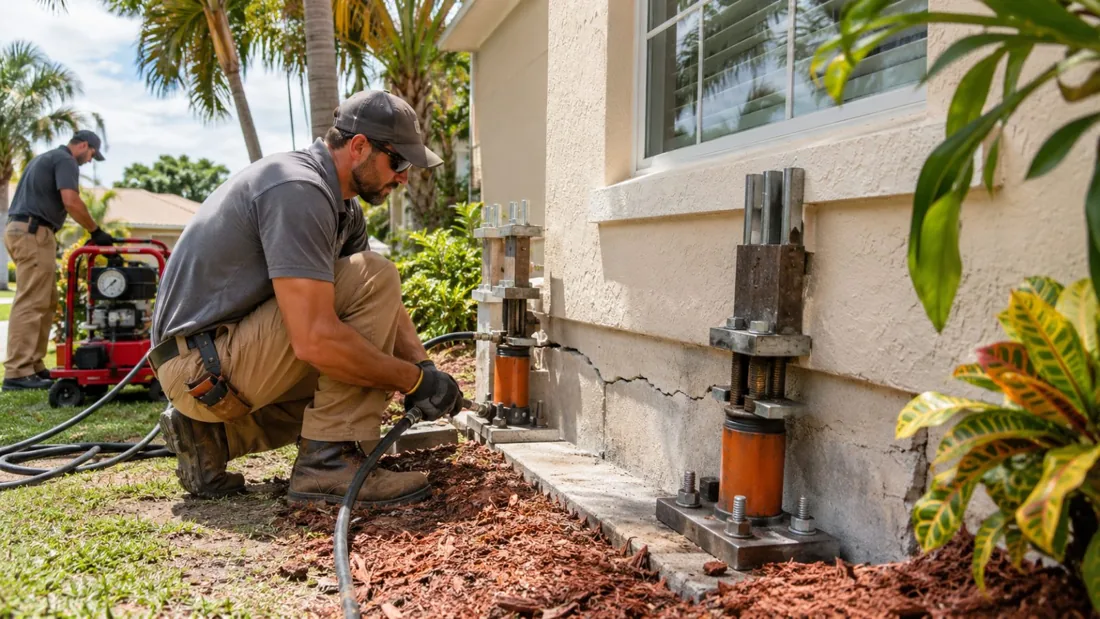
What to Look for in a Repair Proposal
Property-specific recommendations
A qualified evaluator can consider the foundation type, visible damage, and surrounding conditions before discussing repair options.
Clear explanations
A qualified evaluator can explain foundation concerns in everyday language so you can understand the purpose of the proposed work.
Attention to underlying causes
Repairing visible damage is only part of the process. Ask what the evaluator found about what may have contributed to that damage.
Local foundation considerations
An evaluation accounts for Tampa Bay's seasonal rainfall, varied soils, drainage challenges, and residential construction styles.
Common Foundation Repair Questions
How can I tell if my Tampa home has foundation problems?
Look for stair-step cracks in masonry, uneven floors, sticking doors, and gaps around windows or baseboards. Several symptoms appearing together may indicate foundation movement. An inspection can help establish whether the damage requires repair or further investigation.
Are foundation cracks normal in Florida homes?
Minor cracks can develop as concrete cures or building materials experience ordinary movement. Cracks that widen, show displacement, or appear alongside other structural symptoms deserve closer evaluation. The crack's appearance alone does not establish its severity.
Why do concrete slab foundations settle in Tampa?
Slabs can settle when supporting soils become inadequately compacted, erode, or experience changes in moisture conditions. Plumbing leaks and poorly managed drainage may contribute to these problems. The cause varies by property and should be investigated before selecting a repair.
Can heavy rain make foundation problems worse?
Heavy rainfall can contribute to erosion, saturated soils, and water accumulation around foundations. Properties with inadequate drainage may be particularly affected. Managing runoff can help reduce contributing conditions, although it does not automatically reverse existing structural damage.
Do foundation cracks mean my house has a sinkhole?
No. Foundation cracks can result from several conditions unrelated to sinkholes. Unusual or rapidly developing ground movement should be evaluated by an appropriately qualified specialist.
Discuss your foundation concerns
Ask a question about your foundation or learn what to prepare for an evaluation.
Contact Gerard Digital